Oil Prices Rise for Three Straight Days Amid Trump's Threats Against Iran
Crude oil has risen for three consecutive sessions following Donald Trump's threats against Iran. The market is anticipating supply tensions.
20 articles on OPEC

Crude oil has risen for three consecutive sessions following Donald Trump's threats against Iran. The market is anticipating supply tensions.

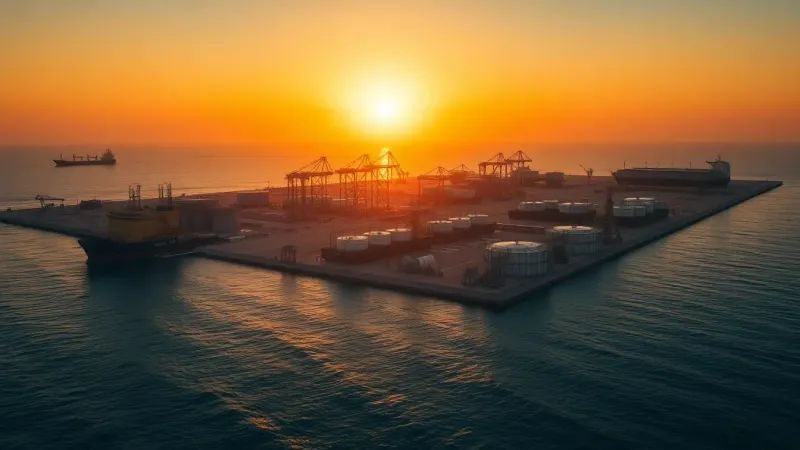
Crude oil prices soared 7% after Donald Trump threatened massive strikes against Iran, targeting in particular the island of Kharg, a crucial oil terminal. Markets are on high alert.

Tehran is once again exploring the sale of crude oil to Japan. Buyers are demanding extended guarantees in light of the risk of sanctions. This return to the market could reshuffle the deck.

Baghdad has officially asked OPEC to recalculate its production quotas. This move could undermine the already fragile balance within the oil alliance.

WTI crude oil was trading at $69.23 on Friday evening, wrapping up a volatile week marked by geopolitical tensions and mixed signals from OPEC.
Gas prices in the United States continue to fall for the sixth consecutive week. This trend is weighing on oil prices and reshaping the energy outlook.

The cancellation of U.S.-Iran negotiations is driving up crude oil prices. European bond yields are rising as a result.

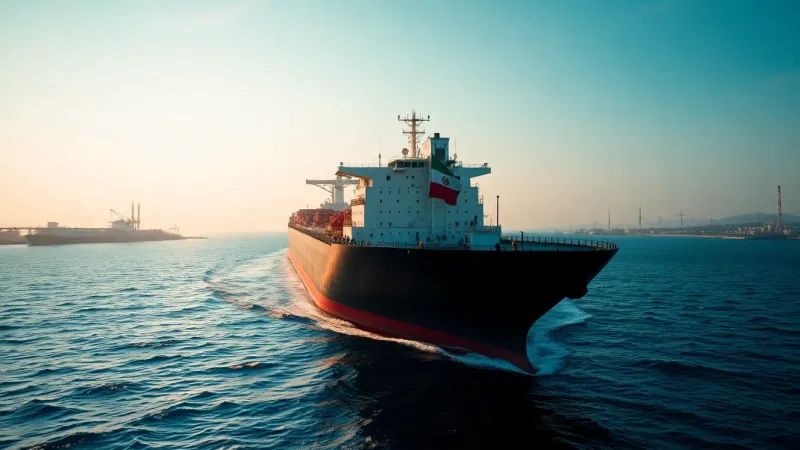
Tehran announces the closure of the Strait of Hormuz following U.S. strikes. Oil prices jump by $2. The geopolitical shock everyone feared.

Despite tensions in the Strait of Hormuz and price volatility, OPEC is maintaining its global demand forecast. This sends a strong signal to the oil market.

Hostilities are escalating in Iran. Oil prices are rising as negotiations stall and military tensions reach a new peak.

The United Arab Emirates has withdrawn from OPEC without warning. This is a major blow to Saudi Arabia and a diplomatic triumph for Washington, which is reshuffling the global oil deck.

Oil prices have surpassed $110, while Nasdaq 100 futures are down 0.6% following OpenAI's struggles to attract new users and meet its sales targets.

The United Arab Emirates has left OPEC without notice, citing national interests. This is a major blow to Riyadh and a major diplomatic victory for Washington.

The Iranian currency has hit a new all-time low of 1.81 million rials to the dollar, a victim of U.S. military strikes and the naval blockade that are choking the economy.

Alexander Novak, Russia's Deputy Prime Minister, says that Moscow will remain in OPEC+ despite the UAE's surprise withdrawal and that a price war is not expected.

OPEC+ adds 206,000 barrels per day to its May quotas. A largely symbolic gesture that masks a much more complex reality in the oil market.

Trump refuses to extend the truce in Iran. Brent climbs to 99.78 USD, WTI to 94.36 USD. The Strait of Hormuz remains paralyzed.

Energy facilities in the Middle East are damaged and repairs will take a long time. Meanwhile, Opep+ is increasing its quotas. What does this mean for your wallet?

211 million dollars in 24 hours of retail purchases on oil ETFs. Small traders are flocking to black gold like never before. But this frenzy conceals a death trap.

OPEC+ acts on a symbolic increase of 206,000 b/d for May, but Brent remains stuck at $109 - the closure of the Strait of Hormuz completely undermines the cartel's decision.