Oil Prices Rise for Three Straight Days Amid Trump's Threats Against Iran
Crude oil has risen for three consecutive sessions following Donald Trump's threats against Iran. The market is anticipating supply tensions.
24 articles on Brent

Crude oil has risen for three consecutive sessions following Donald Trump's threats against Iran. The market is anticipating supply tensions.

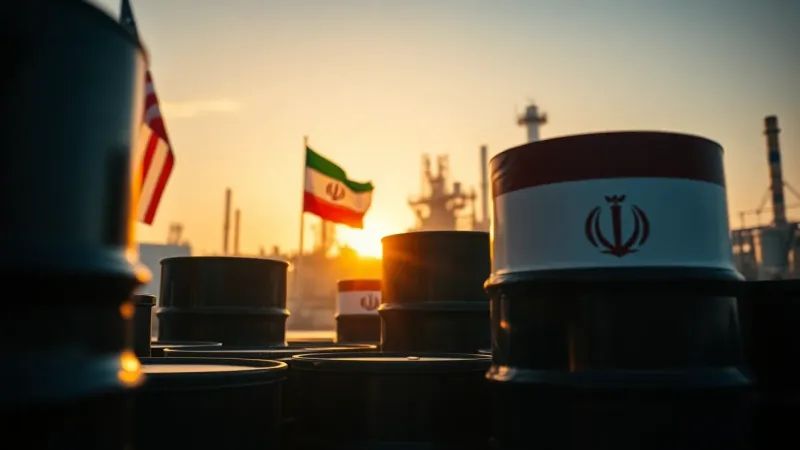
Crude oil prices soared 7% after Donald Trump threatened massive strikes against Iran, targeting in particular the island of Kharg, a crucial oil terminal. Markets are on high alert.

Tehran is once again exploring the sale of crude oil to Japan. Buyers are demanding extended guarantees in light of the risk of sanctions. This return to the market could reshuffle the deck.

Baghdad has officially asked OPEC to recalculate its production quotas. This move could undermine the already fragile balance within the oil alliance.
Gas prices in the United States continue to fall for the sixth consecutive week. This trend is weighing on oil prices and reshaping the energy outlook.

The cancellation of U.S.-Iran negotiations is driving up crude oil prices. European bond yields are rising as a result.

Oil prices are falling sharply while European stocks are rising on hopes of a deal between Washington and Tehran. This marks a major turnaround for commodities.

Tehran announces the closure of the Strait of Hormuz following U.S. strikes. Oil prices jump by $2. The geopolitical shock everyone feared.

Despite tensions in the Strait of Hormuz and price volatility, OPEC is maintaining its global demand forecast. This sends a strong signal to the oil market.

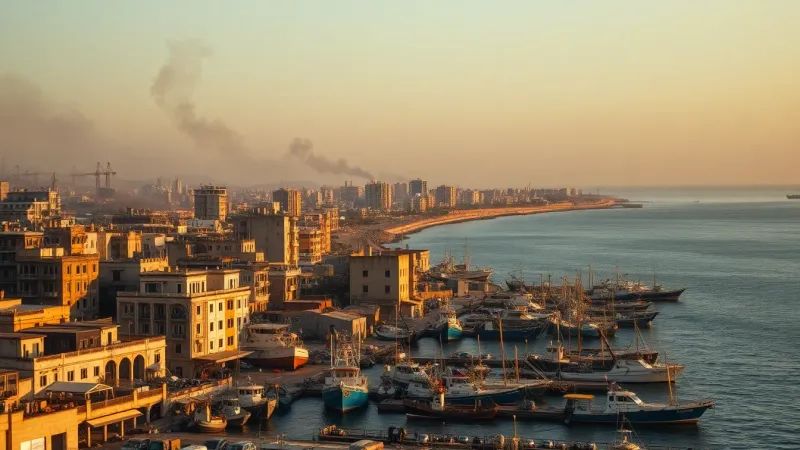
An Israeli strike hit a café in the port of Gaza, killing at least two people. The escalation continues in the Gaza Strip.

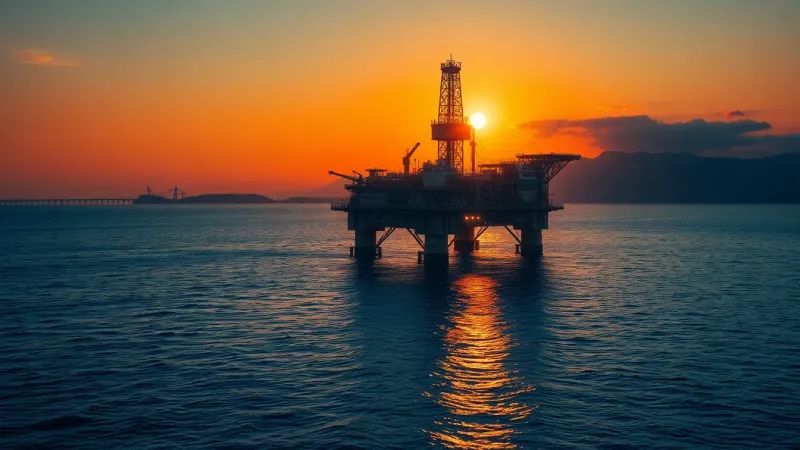
The American giant Chevron has filed an official bid to acquire an offshore oil block in Greece. This strategic move in the eastern Mediterranean is reshaping the European energy landscape.

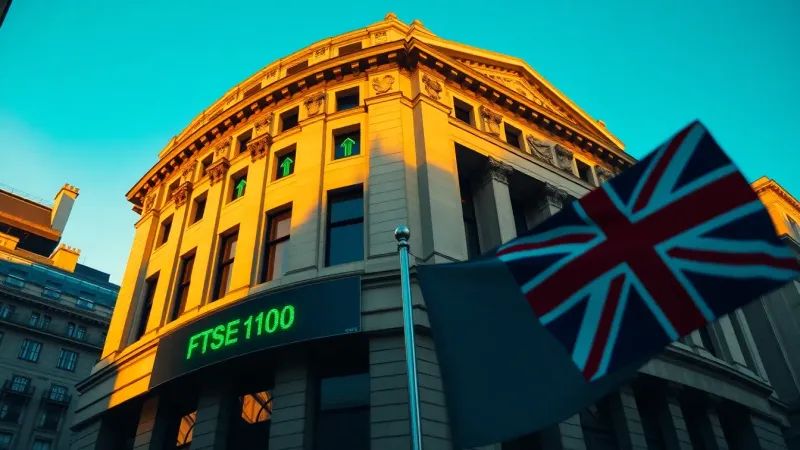
The London index is rising as hopes for a deal with Iran offset tensions over crude oil. The market is betting on a de-escalation of geopolitical tensions.

The United Arab Emirates has withdrawn from OPEC without warning. This is a major blow to Saudi Arabia and a diplomatic triumph for Washington, which is reshuffling the global oil deck.

The U.S. president says the ceasefire with Iran is on life support. European stock markets are expected to open sharply lower on Tuesday.

The United Arab Emirates has left OPEC without notice, citing national interests. This is a major blow to Riyadh and a major diplomatic victory for Washington.

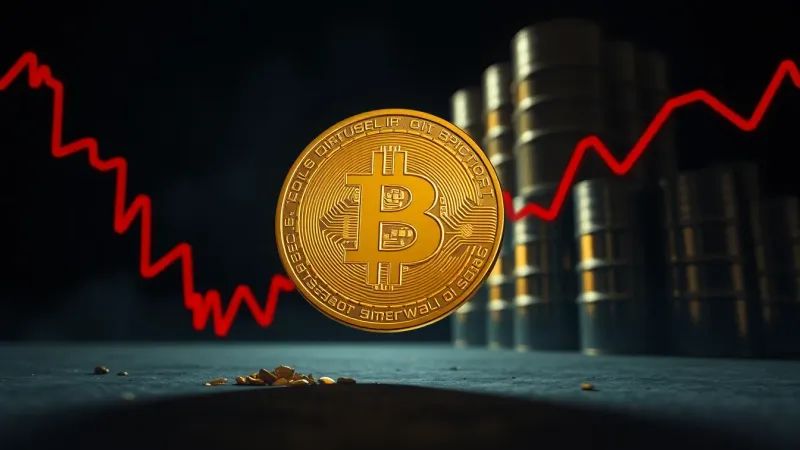
Bitcoin is down 2.1% and Ethereum 3.4%, while Brent crude has surged 7.1% to $126 a barrel. Cryptocurrencies are taking a hit amid geopolitical tensions.

The ceasefire is holding but the Strait of Hormuz remains closed. Paris nearly flat, Frankfurt advancing slightly, and oil retreating after yesterday's surge.

Trump refuses to extend the truce in Iran. Brent climbs to 99.78 USD, WTI to 94.36 USD. The Strait of Hormuz remains paralyzed.

Physical Brent is trading at $133 a barrel, while Brent futures are worth just $99. This unprecedented gap reveals a major market disruption.

BP reports exceptional oil trading results for Q1, boosted by the war in the Middle East and volatile crude oil prices. Shell follows the same dynamic.

The announcement of a two-week truce between Washington and Teheran provoked a collapse in energy prices. Brent crude plunged to $92.95 a barrel.

WTI hovers around $110.90 as Trump threatens Iranian infrastructure. Negotiations behind the scenes and the Strait of Hormuz closed: the powder remains dry.

211 million dollars in 24 hours of retail purchases on oil ETFs. Small traders are flocking to black gold like never before. But this frenzy conceals a death trap.

OPEC+ acts on a symbolic increase of 206,000 b/d for May, but Brent remains stuck at $109 - the closure of the Strait of Hormuz completely undermines the cartel's decision.