Forex
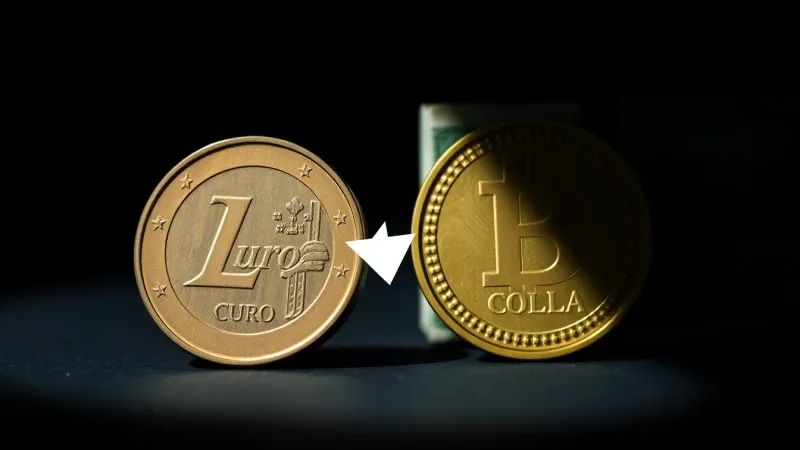
EUR/USD bearish ahead of key US economic data
The euro is weakening against the dollar at the start of this week. The reason? Expected U.S. economic figures that could reshape currency strategies.
Rédaction ActuTradingil y a 3 mois
The Forex (Foreign Exchange) is the world's largest financial market with over $7.5 trillion traded daily — nearly 20 times the volume of all global stock exchanges combined. It runs 24/7 from Sunday evening to Friday evening through Asian (Tokyo), European (London, Frankfurt) and US (New York) sessions.
The 8 major pairs account for ~70% of volume: EUR/USD, GBP/USD, USD/JPY, USD/CHF, USD/CAD, AUD/USD, NZD/USD and XAU/USD (gold vs dollar). Minor pairs (EUR/GBP, EUR/JPY...) and exotics (USD/TRY, USD/MXN...) offer opportunities on monetary policy divergences but with higher volatility and spreads.
On ActuTrading Forex, you'll find our technical and fundamental analysis on major pairs, central bank decisions (Fed, ECB, BoJ, SNB) driving long-term trends, macro events that move exchange rates (CPI, NFP, PMI, rate decisions), and practical trading strategies — no jargon, no magic promises.
The world's most liquid pair. Live price, analysis, forecasts and Fed/ECB impact.
Read →"Cable" — the historic pound sterling vs dollar pair. Volatile, sensitive to Fed/BoE.
Read →Dollar vs Japanese yen. Safe-haven currency, sensitive to Fed rates and BoJ policy.
Read →Swiss franc, the ultimate safe haven. SNB-driven, negative correlation to EUR/USD.
Read →Australian dollar, commodity currency. Correlated to iron ore and Chinese economy.
Read →Canadian dollar — commodity pair dependent on WTI oil and Bank of Canada.
Read →Euro vs pound sterling, ~$150B/day, ECB vs BoE divergence.
Read →Carry trade king, sensitive to ECB + BoJ + risk-on/off.
Read →"The Dragon" — 100-200 pip range, high-volatility pair for advanced traders.
Read →New Zealand dollar, dairy + China currency, RBNZ.
Read →MAS NEER management, low volatility, Asian hub.
Read →How Federal Reserve decisions move the entire FX market.
Read →ECB policy analysis and its impact on the euro.
Read →The euro is weakening against the dollar at the start of this week. The reason? Expected U.S. economic figures that could reshape currency strategies.

The dollar hits its lowest level in a month. The euro, yen and pound sterling explode after Trump announces a ceasefire with Iran. Markets return to risk in force.

The euro stagnates at 1.1527 against the dollar at the end of the week. Lack of direction ahead of key US employment figures.

US job creation soared in March, with 178,000 new positions created. A figure that exceeds expectations and could boost the dollar machine.

After months of gains, GBP/USD collapses to 1.3204. A solid NFP report puts the Fed back in play and calls into question the Bank of England's trajectory. Analysis of a major break.

The euro rebounds against the dollar after better-than-expected manufacturing PMI data from the eurozone.