
Économie
Will the ECB raise interest rates again in 2026?
As inflation remains stubbornly high in the eurozone, the question of another ECB rate hike is resurfacing. We break down the signals.
Rédaction ActuTradingil y a 8 jours
The European Central Bank drives monetary policy for the euro area. Its decisions directly impact EUR/USD, French rates (OAT), mortgages and the CAC 40. Real-time analysis of every Governing Council meeting in Frankfurt.
The European Central Bank (ECB), based in Frankfurt, runs monetary policy for the euro area (20 countries, ~350 million people). Its primary mandate: price stability, defined as 2% inflation over the medium term. Unlike the US Fed, it has no employment objective.
Decisions are made by the Governing Council, composed of 6 Executive Board members (including Christine Lagarde, president since November 2019) and 20 national central bank governors. The Council meets 8 times per year and publishes its decision every 6 weeks.
The most-watched reference rate is the Deposit Facility Rate (DFR): the rate at which commercial banks can park excess reserves at the ECB. It anchors the entire short-term European rate chain.
A hawkish ECB (rates rising or restrictive tone) typically produces: euro strengthens against dollar, OAT (French government bonds) decline (yields up), mortgages get more expensive for French households, CAC 40 pressured down (multiples compressed).
A dovish ECB does the opposite: weaker euro, OATs up, cheaper credit, CAC favored.
In 2022-2023, the ECB hiked 10 times (+450 bps cumulative) to break post-Ukraine inflation. The deposit rate went from -0.50% to +4%. Result: euro strengthened, OAT-Bund spread eased, inflation fell back below 3%.
Since June 2024, the ECB has been in easing mode: 4 cumulative cuts brought the DFR to 2.50% in early 2026. The 2026 scenario depends on inflation rebound (services, energy) vs German and French economic deceleration.
Typical "ECB day" scenario:
14:15 CET: statement released with the 3 key rates (DFR, MRO, MLF) and any change. Immediate shock on EUR/USD depending on surprise vs consensus.
14:45 CET: Christine Lagarde press conference. She reads a prepared statement (5-10 min), then takes journalist questions (30 min). This is where the market truly moves — Lagarde's tone (hawkish/dovish) can reverse the initial statement move.
4 times per year (March, June, September, December), the ECB publishes updated macroeconomic projections (inflation, growth, employment). They serve as a compass for anticipating future decisions.
Pro tip: watch for the keyword "data-dependent" in the statement. When the ECB drops it, it means they're flying by instruments — expect high volatility in subsequent meetings.
As inflation remains stubbornly high in the eurozone, the question of another ECB rate hike is resurfacing. We break down the signals.
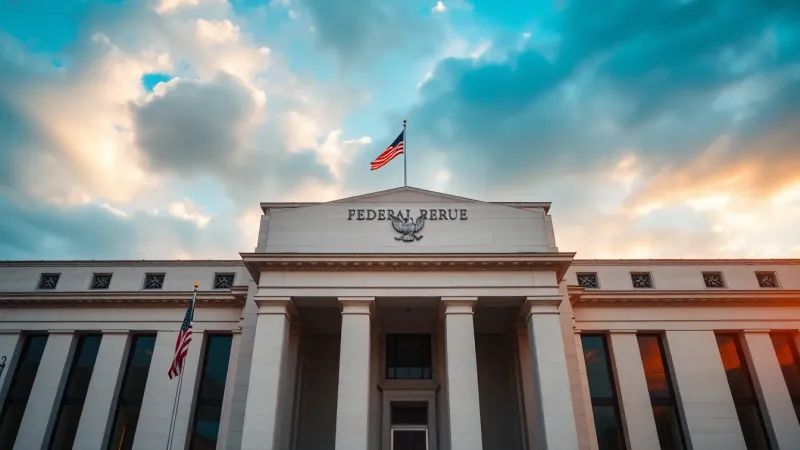
The Fed's new chair warns: zero tolerance for inflation above 2%. A clear signal to the markets, which had been anticipating easing.

Inflation in the eurozone is slowing more than expected. The European Central Bank may adopt a more cautious stance in the coming months.
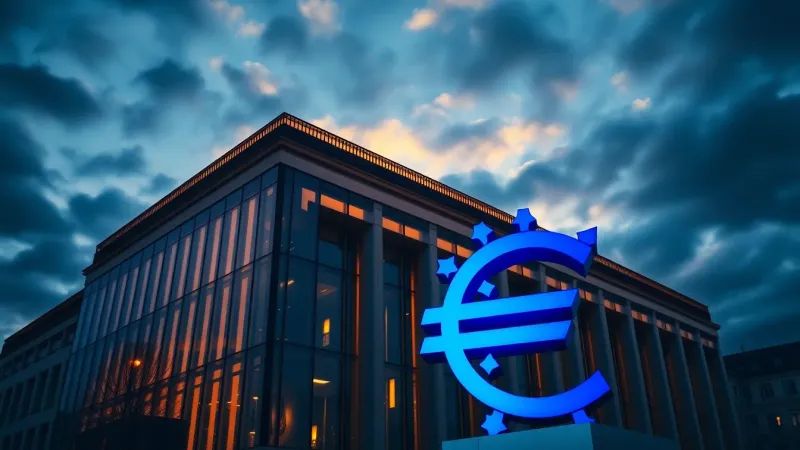
The ECB survey shows that eurozone consumers now expect lower inflation in 2027. This marks a major psychological turning point for the euro and interest rates.

The cancellation of U.S.-Iran negotiations is driving up crude oil prices. European bond yields are rising as a result.

Gediminas Simkus, a member of the ECB’s Governing Council, announced that at least one more rate hike is on the way. Monetary tightening continues.

A member of the ECB Governing Council is calling for swift action against inflation. The message comes as the EUR/USD exchange rate remains stable at 1.1658.

The conflict with Iran is driving up inflation in Europe. Traders are now betting on a surprise rate hike by the ECB by this summer.

The European Central Bank has put a stop to plans for euro-backed stablecoins. The systemic risks are too high for the eurozone.

Christine Lagarde is putting the brakes on euro-denominated stablecoins. The ECB president points to structural flaws and rules out their adoption in Europe.

The U.S. president says the ceasefire with Iran is on life support. European stock markets are expected to open sharply lower on Tuesday.
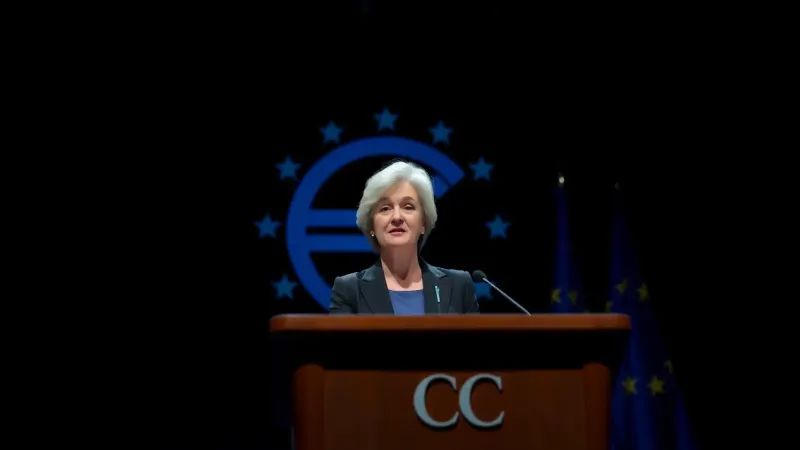
The ECB president is sounding the alarm about the financial risks posed by stablecoins—dominated by Tether and USDC—which are worth $310 billion.

Inflation in the eurozone rose from 1.9% in February to 3% in April. Gas, shipping, and fuel: all these costs have been on the rise since the start of the conflict in the Middle East.
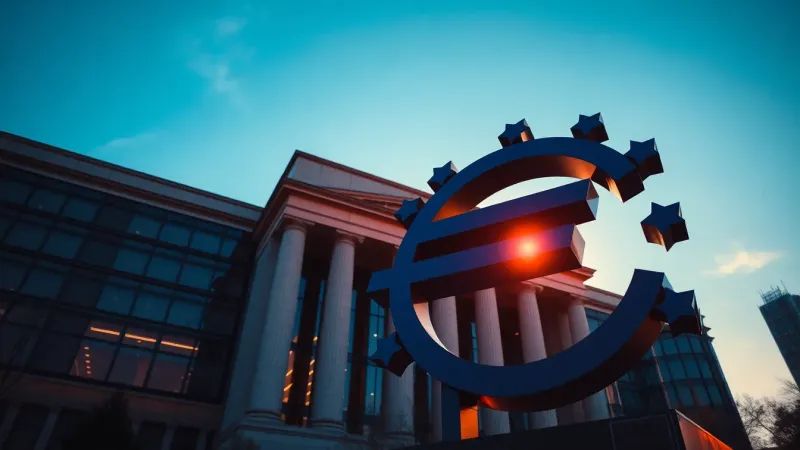
The ECB's internal survey shows that second-order inflation effects remain very limited in the eurozone. A relief for markets that are already anticipating what comes next.

European markets are losing ground this Friday in the wake of Wall Street. The diplomatic deadlock in the Middle East and elevated oil prices are weighing heavily on investor sentiment.
Lagarde asserts: the ECB will raise rates even if inflation proves temporary. A strong signal on European monetary strategy.

Lagarde confirms that the European Central Bank could raise interest rates, even if the expected rise in prices is not expected to last. A strong signal for the euro and bond markets.

Banking giant Citigroup has taken a one-off charge of $124 million at its Irish hub in response to global economic uncertainties. This decision reflects the growing tensions on the markets.

After five years of persistent inflation, households are facing a substantial increase in their daily expenses. An analysis of the real impact beyond the official figures.

The European Central Bank extends its pause in key interest rates, despite tame inflation. We decipher the strategic stakes and risks for traders.